Skylights vs. Traditional Windows: Which Is Right for You?
When homeowners consider enhancing natural light in their spaces, the comparison between skylights and standard windows tends to emerge. Each option presents unique benefits and challenges. Skylights can flood a room with light from above, while traditional windows offer views and architectural diversity. Grasping the impact of each option is critical for arriving at a well-informed conclusion. What factors should one prioritize in this comparison, and in what ways do they influence lasting contentment?
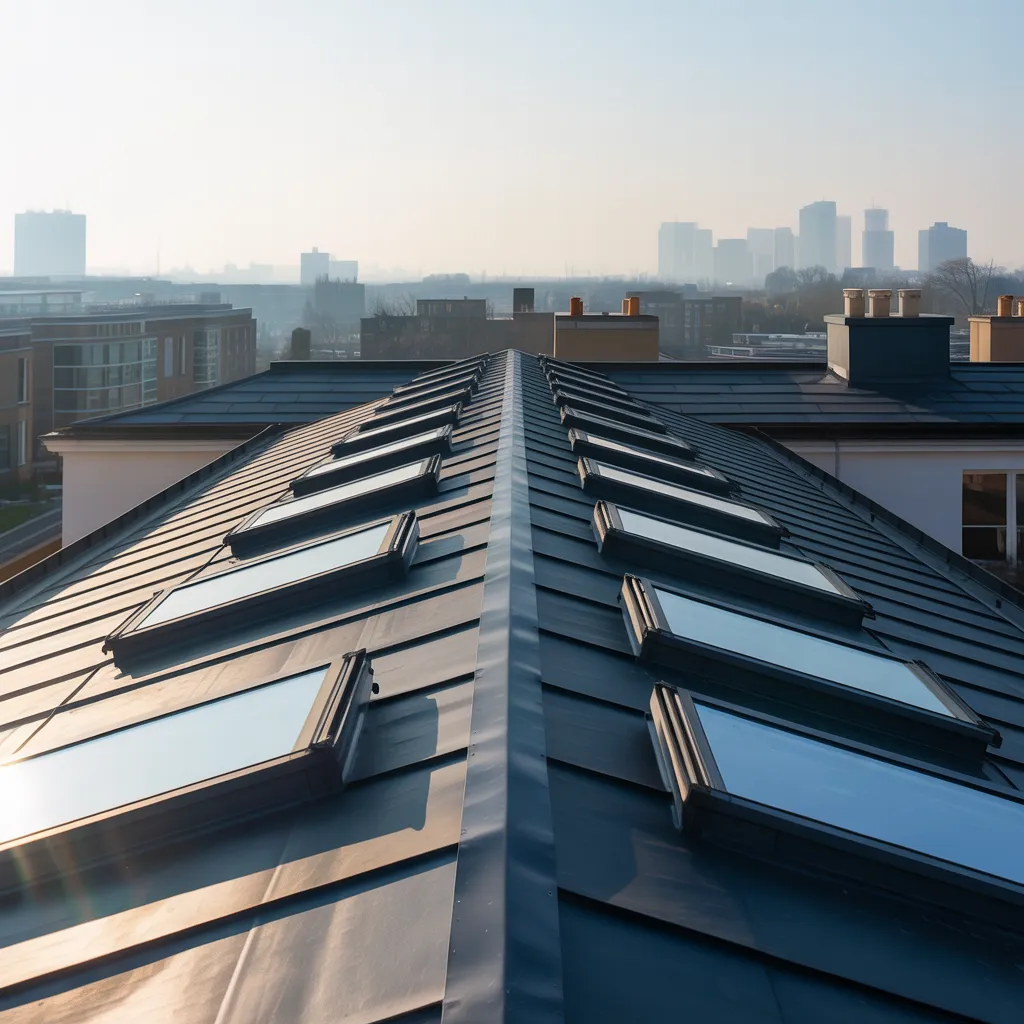
Comparing Natural Light: Skylights vs. Traditional Windows
When considering ways to improve natural light in a space, skylights and standard windows present notable differences. Skylights, installed on the rooftop, provide an unobstructed source of light, flooding rooms with sunlight from above. This top-down illumination can create a bright and airy atmosphere, helping areas appear bigger and more appealing. Additionally, skylights can reduce the need for artificial lighting during the day.
In contrast, standard windows permit sunlight to flow in from the sides, providing views of the outside surroundings. They can be strategically placed to enhance sun exposure throughout the day, depending on the orientation of the room. Additionally, traditional windows can be designed in various styles to suit architectural preferences, improving both illumination and visual charm. In the end, the selection between skylights and standard windows relies on one's own preferences, room layout, and the desired ambiance within the space.
Energy Savings: Skylights or Standard Windows?
When examining energy performance, skylights and conventional windows provide their own notable strengths. Skylights can enhance natural light, potentially reducing reliance on artificial lighting, while standard windows could deliver improved heat retention. Studying energy-related costs exposes considerable variations that could affect the decisions of homeowners.
Natural Light Benefits
Natural light is a key factor in enhancing energy efficiency, and selecting between skylights and conventional windows significantly affects this advantage. Skylights allow for ample daylight to penetrate deeper into interior spaces, decreasing dependence on artificial lighting throughout the day. This may result in reduced electricity costs and a smaller carbon footprint. In contrast, traditional windows primarily illuminate rooms near the exterior walls, which might reduce the overall distribution of daylight. Furthermore, the orientation and placement of skylights can harness more sunlight across the day, especially in rooms featuring high ceilings. In the end, utilizing natural light through either choice can enhance energy efficiency, but skylights often provide a more significant advantage in maximizing daylight context information exposure across a home or building.
Heat Retention Analysis
What are the differences between skylights and traditional windows when it comes to heat retention? Both options have unique characteristics that influence their energy efficiency. Conventional windows generally provide superior insulation, particularly when double or triple-glazed, helping to reduce heat loss in winter months. Although skylights permit natural light to enter, they may occasionally result in greater heat transfer owing to their expansive surface area and susceptibility to summer heat gain. Nevertheless, innovations in skylight design, including low-emissivity (low-E) coatings, have significantly enhanced their thermal efficiency. Ultimately, the effectiveness of each option in retaining heat depends on factors like installation quality, glazing type, and the specific climate. Homeowners should carefully evaluate these elements to determine which choice best meets their heat retention needs.
Energy Cost Assessment
An energy costs analysis reveals considerable variation when comparing skylights to standard windows. Skylights are known to admit greater amounts of natural light, helping to decrease dependence on artificial lighting and reduce electricity costs. That said, the energy efficiency of skylights is primarily determined by the caliber of glazing and installation methods. High-performance skylights, equipped with low-E coatings, can minimize heat loss and gain, enhancing overall energy savings.
On the other hand, traditional windows are also capable of being energy-efficient, especially when using double or triple-pane glass. While they supply adequate insulation, they may not provide the same natural light benefits as skylights. Ultimately, the choice between the two should account for considerations like climate, geographic location, and targeted energy efficiency objectives to determine the most financially practical approach.
What You Need to Know About Skylights
What makes skylights an appealing choice for homeowners? Skylights present a unique opportunity to maximize natural light within the home, establishing a luminous and open environment. Available in various styles and sizes, they blend naturally into diverse architectural frameworks. Many homeowners value the energy-saving benefits; strategically placed skylights can reduce reliance on artificial lighting during daytime hours.
Furthermore, skylights can increase ventilation when featuring operable mechanisms, allowing warm air to dissipate and supporting airflow. They also present unique aesthetic properties, serving as focal features that can enhance interior design. However, it is critical for homeowners to take into account factors such as installation costs, potential water infiltration, and the need for appropriate maintenance. Recognizing the specific needs and effects of skylights can assist homeowners make informed decisions aligned with their living spaces.
Main Pros and Cons of Traditional Windows
Traditional windows have long been a staple in residential architecture, delivering unique strengths along with some recognizable disadvantages. A primary benefit lies in their capacity to supply natural lighting and fresh air circulation, enhancing indoor air quality and reducing reliance on artificial lighting. They also come in numerous styles and materials, giving homeowners the freedom to personalize their aesthetic to reflect personal style.
Nevertheless, traditional windows come with disadvantages. Energy efficiency can be a concern, particularly with older units that tend to permit drafts and heat loss. Furthermore, upkeep can be more labor-intensive, as the frames and seals may need routine care to prevent wear and tear. Standard windows often prove less capable of regulating solar heat gain relative to contemporary alternatives, contributing to rising air conditioning costs in the summer months. Ultimately, choosing conventional windows comes down to measuring these strengths against their weaknesses based on one's own needs and circumstances.
Aesthetic Appeal: Skylights vs. Windows
The aesthetic appeal of skylights and conventional windows plays a major role in interior decorating choices. Skylights help maximize natural light and establish a feeling of spaciousness, while standard windows deliver adaptable design solutions that complement various architectural styles. Being aware of these differences enables homeowners to reach well-informed conclusions based on their aesthetic preferences.
Natural Lighting Impact
Natural light plays a pivotal role in improving the visual appeal of home interiors, where skylights and traditional windows present different advantages. Skylights, mounted on the roof, permit sunlight to pour in from overhead, generating a feeling of spaciousness and warmth. This upward light can highlight architectural features and render interiors more spacious and appealing. On the other hand, traditional windows deliver glimpses of the exterior, connecting interior spaces with the landscape. They are able to frame beautiful vistas and create a dynamic interplay of light throughout the day. While skylights may illuminate dark corners, standard windows can improve exterior aesthetics and architectural distinction. In the end, the decision between skylights and traditional windows shapes the general atmosphere and vitality of a home.
Design Flexibility Options
Aesthetic adaptability plays a key role in the comparison between skylights and standard windows, as each option offers distinct contributions to a home's visual character. Skylights offer a modern touch, blending naturally into ceilings to establish a bright, spacious environment. Their positioning can accentuate structural elements and improve the overall design harmony. On the other hand, conventional windows offer a timeless appeal, offered in a wide range of styles and materials to suit any architectural style. They offer flexibility in dimensions and configuration, enabling homeowners to preserve classic design elements while optimizing sunlight intake. In the end, the decision between skylights and windows is guided by personal taste, intended atmosphere, and the unique architectural setting of the home, as both present their own notable strengths in overall design adaptability.
Planning Your Budget for Skylights and Traditional Windows
What is the best way to budget for skylights compared to traditional windows? When evaluating installation expenses, skylights commonly cost between $1,000 and $3,000, varying by size and features. Additional expenses may include structural modifications and potential roofing repairs. On the other hand, traditional windows generally fall between $300 and $1,500 apiece, affected by materials and energy efficiency ratings.
Homeowners should also consider installation fees, which can differ significantly based on regional labor costs. Skylights often need specialized installation, increasing overall expenses. Additionally, long-term energy savings must be incorporated into the budget; skylights can enhance natural light, potentially reducing electricity bills, while high-efficiency windows offer insulation benefits.
At the end of the day, identifying the best option means examining both the initial costs and the expected returns. Considering both design preferences and practical demands results in a more well-rounded financial choice when choosing between skylights and conventional windows.

Questions We Often Receive
How Do Skylights Impact Indoor Temperature in the Summer?
Skylights can markedly increase indoor temperatures during summer by permitting direct sunlight to penetrate, often leading to excessive heat retention. Correct installation and shading measures are critical to mitigate excessive heat and maintain comfortable indoor conditions.
Is It Possible to Install Traditional Windows in Unconventional Shapes?
Traditional windows can indeed be installed in unusual shapes, presenting exceptional design choices. Tailored designs help homeowners accentuate structural characteristics, delivering both practicality and visual charm while guaranteeing correct installation and optimal energy performance.
What Are the Maintenance Requirements for Skylights Versus Windows?
Skylights tend to need more care and attention than standard windows, as they are susceptible to leaks and the accumulation of debris. Routine cleaning and inspection are necessary, while windows generally need less attention, focusing primarily on general cleaning and intermittent sealing.
Are Skylights Susceptible to Leaks or Water Damage?
Skylights are susceptible to leaks and water damage, most notably when installation or maintenance has been inadequate. Routine inspections and appropriate sealing are critical to reducing risks, ensuring they remain functional and free from moisture-related problems.
How Can Local Building Codes Influence Skylight Installation?
Regional building regulations heavily affect skylight installation by dictating structural requirements, energy performance standards, and safety regulations. Following these regulations guarantees accurate installation, lowering the chances of leaks and improving the overall durability and efficiency of the skylights.